Public Debt in The Gambia: Development Tool or Dependency Trap?
ECONOMYFINANCEINSIGHTS
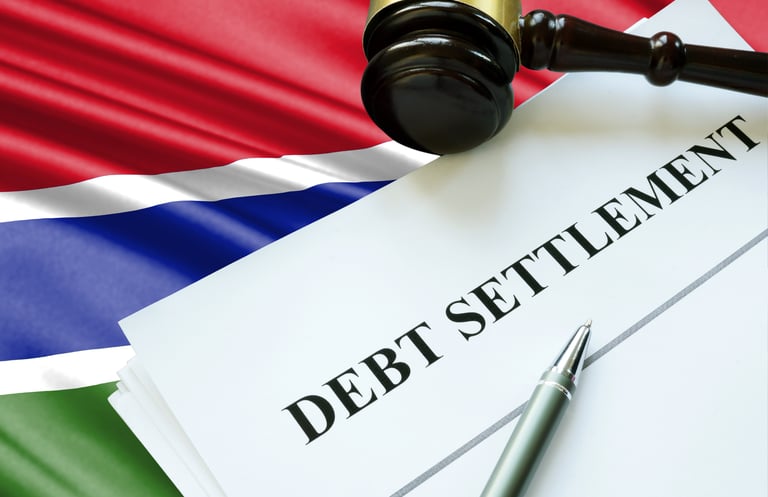
As the government keeps tapping into loans to get essential projects built, we have to ask a blunt question: Is this borrowing actually driving development, or is it simply cementing a cycle of dependency?
Public debt is one of those subjects that sounds boring, like something only a bunch of economists talk about in a sterile meeting room. But here in The Gambia, it’s not an abstract issue; it’s a problem that hits everyone, from the vendor trying to make a living in Brikama to the teacher struggling in Basse.
The Staggering Cost of Debt
Let’s look at the numbers, and they’re tough to swallow. The Gambia’s debt-to-GDP ratio is currently around 72% in. That’s one of the highest in the entire sub-region. Worse still, almost 50% of our annual revenue, half of all the money the government brings in, is immediately swallowed up by debt servicing.
Think about that for a second. Half the country’s income is gone before we can even discuss new investments in healthcare, fixing broken roads, or stocking up classrooms. The Ministry of Finance will inform you that borrowing is necessary for infrastructure, including roads, energy, and water. But if we can’t afford the payoff, are these projects truly boosting the economy, or are they just kicking the fiscal can down the road? The long-term plan here feels shaky at best.
The Balancing Act We Can’t Seem to Win
Borrowing is not evil. It’s a tool. When used strategically, it can build wealth. But the key is management. Where is the money going, and is it being spent efficiently?
A significant portion of our debt originates from concessional loans, which are low-interest, long-term credits from prominent institutions such as the IMF and World Bank. That’s the good news. The bad news? These loans often come with strings attached, limiting our flexibility and dictating which sectors get attention.
When the payments keep rising faster than the country’s revenue, the government has only terrible options left: hit citizens with higher taxes, make deep cuts to social programs, or, the most tempting option, borrow even more. It’s a vicious cycle that puts immense pressure on small businesses, public workers, and every family trying to stretch their budget.
The Real People Behind the Figures
Forget the spreadsheets and the financial jargon for a moment; this debt is intensely personal.
Take someone like Awa, a tailor in Serrekunda. She needs reliable electricity and affordable materials to run her shop. When the government’s big, loan-funded energy project gets delayed or breaks down, Awa pays more for fuel for her generator, her costs rise, and her income shrinks. When the national budget prioritizes debt payments over education or health, it’s Gambian families that feel the pinch; it directly impacts their quality of life. The debt isn't just an accounting entry; it’s a weight on the shoulders of people like Awa every single day.
Learning from Our Neighbors
We don't have to look far to see the dangers. Our neighbors, Ghana and Senegal have faced similar debt crises. Ghana’s huge external debt led to a painful IMF bailout in 2023. Senegal, meanwhile, has tried to be smarter, leveraging expected oil and gas revenues to balance its infrastructure spending.
These cases offer us a critical roadmap. We need far stronger fiscal discipline, total transparency in where every dalasi goes, and a dedicated focus on investing in sectors that actually make money, like tourism, agriculture, and digital services.
The Way Forward: Accountability is Key
If public debt is going to be our path to prosperity, not our pathway to dependence, we need a new approach:
Fund the Future: Stop wasting money; loans must target productive industries that generate income and sustainable jobs.
Total Transparency: Every citizen deserves to know exactly how much is borrowed and precisely how it's spent.
Bring in the Private Sector: Let’s reduce our reliance on foreign lenders by creating a climate that attracts local and international private investment.
Iron-Clad Fiscal Rules: We need to ensure every bit of spending is efficient and supports our long-term economic goals.
As economist Dr. Foday Joof often says, "Debt can drive progress when it's managed responsibly. But when it's mismanaged, it quickly becomes a chain that locks down our future choices."
The Gambia needs investment to grow, but the current borrowing pattern, without the necessary productive returns, is a serious threat to our long-term stability. The real test is ensuring that every dalasi we borrow doesn't just fund a temporary fix, but actually builds an economy capable of repaying the loan. We need to make debt a bridge to independence, not a barrier to it.